Insulation is not a one-size-fits-all solution. A real estate trend that has been growing over the years is getting the best insulation for your home. Consider the climate in your area, your budget, where you plan to install the insulation, and whether or not you’d like to hire a contractor. Here are 10 types of common insulation that you can use to insulate your house.
How to choose the best insulation for your home
It’s time to choose an insulation material if you have an inspection that shows you need repair or replacement, or if you are tired of paying high heating and cooling bills.
The factors that will influence your choice include:
- Climate and location: The climate and location of your home will affect how airflow is managed in your home.
- Project Scope: While some types of insulation require wall removal, others like spray foam or blown-in glass or cellulose can be applied with a hose and without structural changes.
- Cost: Insulation costs vary by material and method.
- Some insulation is doable by homeowners. Others are more complex and need a professional.
Insulation Types
Ten types of insulation are used in the home. Each option has its own unique benefits, but not all will be suitable for your home. You can use the guide below in order to decide which type of insulation is best for your home. It will help you save money, reduce energy costs and create a more eco-friendly environment.
1. Spray Foam Insulation
Spray foam is the easiest way to insulate your home without having to do major construction. It’s a chemical insulation that you mix at home and then spray using a sprayer.
The ability of spray foam to reach into small spaces makes it an excellent choice for cold climates. Plus, spray foam insulation lasts a really long time.
Costs for spray foam installation in the United States range from $2,500 to $4,90 per square foot (including materials and labor).
Pros
- High R-value is a measure for how well a particular material can prevent heat transfer.
- Water and vapor resistance is important.
- Mold resistant
- Resistant against insects
- Both newer and older homes can benefit from this product.
- Seals small crevices well
Cons
- Materials and labor are more expensive than alternatives.
- Installing yourself is very difficult

2. Fiberglass Insulation
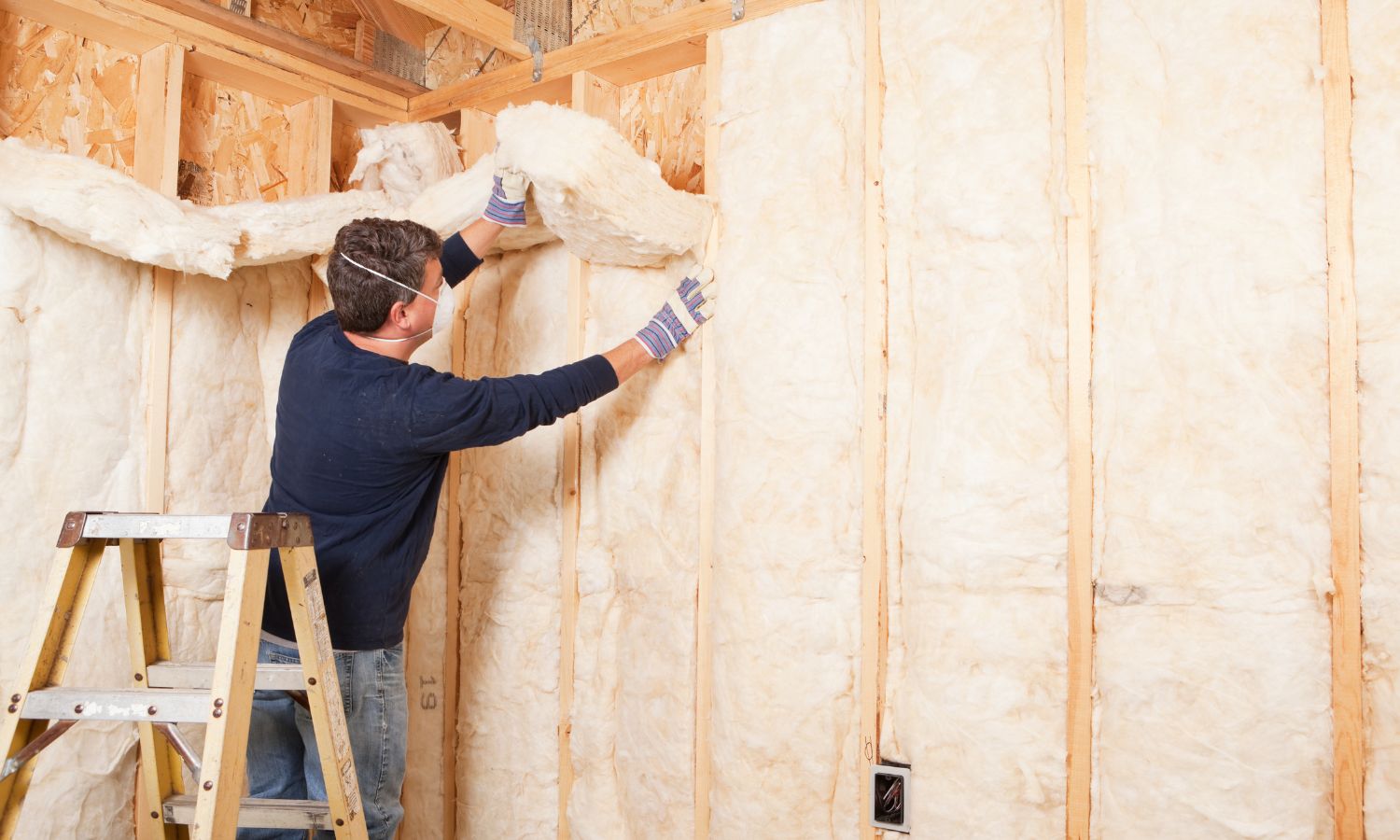
Fiberglass is the most common type of insulation in homes. It consists of very fine glass fibers. The insulation is available in a variety of forms, including rigid boards, batts/rolls and loose fill.
Installation costs for fiberglass batts range from $1,000 up to $2,400. However, if you choose to do it yourself, the material costs between $0.30 and $1.50 a square foot.
Fiberglass batts offer the best value for money. You can purchase them in all big-box stores, and simply push them between joists and wall structures to get an excellent R-value. This is the measure of how well insulation keeps heat out or inside your home.
Pros
- Reduces heat transfer
- Fire-resistant qualities
- If you have some DIY skills, you can install it yourself.
- Insulation companies can provide quick and easy installation.
- Affordable
Cons
- Fiberglass is hazardous when mishandled, or inhaled.
- In cold climates, spray foam is less effective.
- Sometimes you need to remove walls in order to install batts
3. Cellulose Insulation
Cellulose is thick and dense. It’s the “down feather” in the world of home insulation. Cellulose, which is made from plant-based sources, is an eco-friendly choice.
Pros
- It settles into walls, ceilings and other obstructions.
- Affordable
- If you choose loose-fill, it is easy to fill in walls without having to tear them down.
- Repels insects, vermin
Cons
- Over time, thermal bridges can be created when a surface settles down or compacts.
- It takes a long time for it to dry after absorbing moisture
- Mold and mildew are more likely to grow on this insulation than on other materials
4. Mineral Wool Insulation
Mineral wool insulation, also known as rockwool Insulation, is a high density insulation material that has some surprising benefits for sealing and soundproofing your home. On average, wool insulation costs anywhere between $1.40 to $3.10 per sq. foot.
Pros
- Many products are made with 30% recycled material
- Mineral wool is three times as dense as fiberglass and blocks noise pollution
- It offers superior fire resistance and can help slow the spread of a fire in your home
- Hydrophobic properties prevent the material from absorbing water, which could lead to mildew and mold.
- Mineral wool is more stable than fiberglass because it’s made with stiffer batts.
- Mineral wool batts are stiff enough to eliminate the need for wires or staples.
Cons
- Costs more than fiberglass
- There are not many sizes available
- Installing can be a difficult task
5. Vapor Barriers
Vapor barriers are usually attached to other types of insulation such as rigid panels or faced insulation. These sheets, which are usually made of polyethylene or kraft paper, work to prevent moisture from entering walls and ceilings. The average cost of vapor barriers is between $0.25 to $0.50 per square feet.
Pros
- Cheap
- Installing Easy-to-install
- Protect your home from vapor damage
Cons
- Damage to the installation is easy
- Water can be prevented from drying out in hot climates
6. Insulation batts
Insulation batts are made of either mineral wool or fiberglass. The batts are stacked flat and pre-cut, similar to thick blankets. The average cost of batt insulation is between $0.30 to $2.50 per sq. foot.
Pros
- Installing Easy-to-install
- Cheap
- There is plenty of availability
- High R value insulation
- Customize your own website
- Can be layered
- Will not settle
Cons
- Can fall down
- Itching of the skin when handling
- Can cause respiratory problems when handled
- Requires vapor barrier
- Can fall or sag

7. Roll Insulation
The insulation that is rolled up looks very much like the insulation that comes in batts. Both are the same price and have the same material. Rolls come in rolls, not flat blankets. Roll insulation is easy to use. Simply unroll it and cut the insulation to your desired size.
Pros
- Easy Installation
- Cost-friendly
- Widely Available
- High R-value
- Cut and size easily
- Can be layered
- Will not settle
Cons
- Can fall down
- Skin irritations are well-known
- Can cause respiratory problems when handled
- Requires vapor barrier
- Can sag and fall down
8. Foam Board Insulation
Foam board insulation or rigid foam insulation is a popular and durable alternative to traditional batts, rolled blankets, and other insulations. The average price of rigid foam insulation is between $0.25 and $ 2 per square foot, while some panels like structural insulated panels cost between $7 to $12 per square feet. The higher price comes with a high R-value that makes this type of insulation perfect for cold climates.
Pros
- High thermal resistance
- Moisture-resistant
- Prevents air leaks
- Soundproofing
- Low initial costs
Cons
- Challenge yourself to DIY
- Some types of insulation are more expensive than others
- Fires are prone to spreading
9. Radiant Barriers
A radiant barrier offers homes in hot climates heat protection through their reflective properties. Radiant barriers are almost exclusively used as roof insulation in attics and in rafters to reflect UV rays from your home. This helps lower summer temperatures. Radiant barriers are available in foil and paint sprays that contain aluminum. They cost between $0.10 to $0.95 per sq. foot.
Pros
- Low Cost
- Protect your home from UV Rays
- Helps lower indoor temps
- Reduces energy bills
You can also find out more about Cons
- Can encourage mold growth
- Thermal insulation is not provided
10. Concrete Block Insulation
Concrete blocks may contain insulation, or they can be insulated in order to regulate the temperature of your home. This could be done in new construction by using concrete blocks mixed together with polystyrene or concrete blocks with rigid inserts of foam. Concrete block insulation in existing homes may involve drilling holes into the blocks, and injecting the foam into them to provide insulation.
Pros
- Energy efficiency increases
- Walls that are strengthened
- Reduces sound
You can also find out more about Cons
- Costly
- May require excavation
- In colder climates, it is less effective